
Conservation & JournalWild Places Worth Knowing
The future of fly fishing depends on healthy rivers, thriving fisheries, and protected public lands. This space is dedicated to conservation stories, educational resources, travel adventures, and the wild places that inspire them.

Featured CategoriesWhat you'll find here
-
01
Conservation
Stories, issues, and projects impacting rivers, fish, wildlife, and public lands.
-
02
Fly Fishing Education
Tips, tactics, and lessons to help anglers improve their skills.
-
03
Travel & Adventure
Exploring remarkable fisheries and wild places around the world.
-
04
Wild Places Worth Knowing
A series highlighting important landscapes, fisheries, and conservation efforts.
The JournalLatest stories
Why Healthy Rivers Need More Than Catch-and-Release
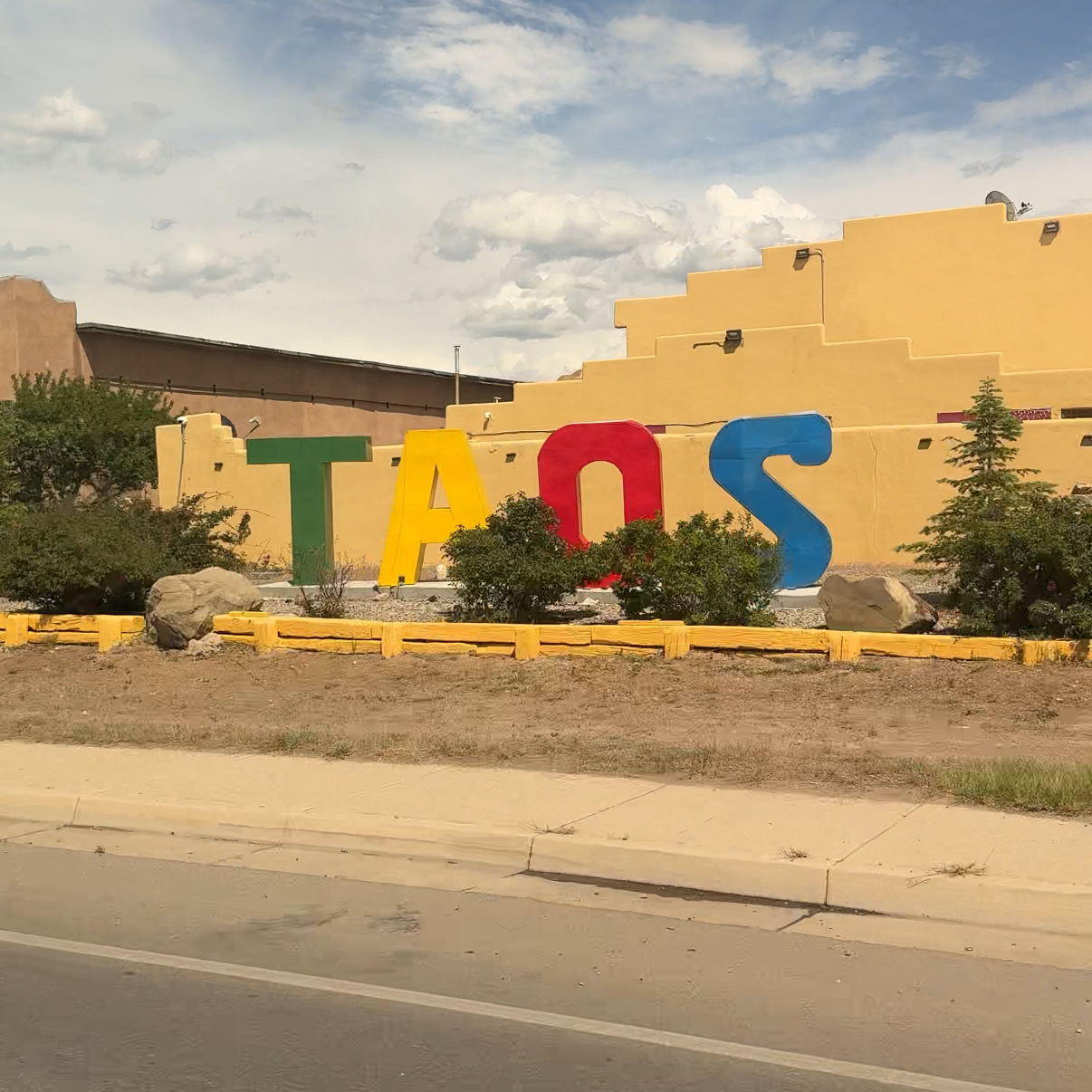
When I drove into Taos, New Mexico, I expected beautiful water, eager trout, and another place to check off the map. Instead, I found a landscape that seemed to ask me to slow down.
Taos isn’t loud. It doesn’t beg for your attention. It earns it.
The Sangre de Cristo Mountains rise above the desert, carving out deep canyons where cold rivers have flowed for thousands of years. Cottonwoods line the banks, red cliffs glow at sunset, and every turn in the road feels like you’re stepping into a painting.
Of course, I brought a fly rod.
The Rio Grande and nearby mountain streams offer incredible opportunities to chase wild trout, but what struck me most wasn’t the fishing itself it was how connected everything felt. The insects, the current, the birds overhead, the history beneath your feet. Every cast became less about catching another fish and more about understanding the place that made those fish possible.
One of the things that makes Taos so special is that people have cared for this landscape for generations. Long before fly fishing became a pastime, the Taos Pueblo had built one of the oldest continuously inhabited communities in North America, living alongside these rivers with a deep respect for the land and water. That history changes the way you see the valley.
It’s a reminder that wild places don’t stay wild by accident.
They survive because people choose to protect them.
As I explored the area, I realized the adventure wasn’t just about trout. It was about discovering a place where culture, conservation, and wilderness all exist together. Every trail, every overlook, and every stretch of river told a story much older than my own.
Those are the places worth knowing.
They remind us that we’re visitors not owners and that our job is to leave them a little better than we found them.
I left Taos with photos, memories, and a few beautiful fish.
But I also left with something harder to explain: a renewed appreciation for slowing down, paying attention, and seeking out places that make you feel small in the best possible way.
If there’s one thing this trip taught me, it’s that the greatest adventures aren’t measured by the number of fish you catch.
They’re measured by the stories you bring home, the people you meet, and the wild places that quietly change the way you see the world.
Taos did exactly that.
And I have a feeling I’ll be back.
Wild Places Worth KnowingThe more we understand these places, the more likely we are to protect them.
